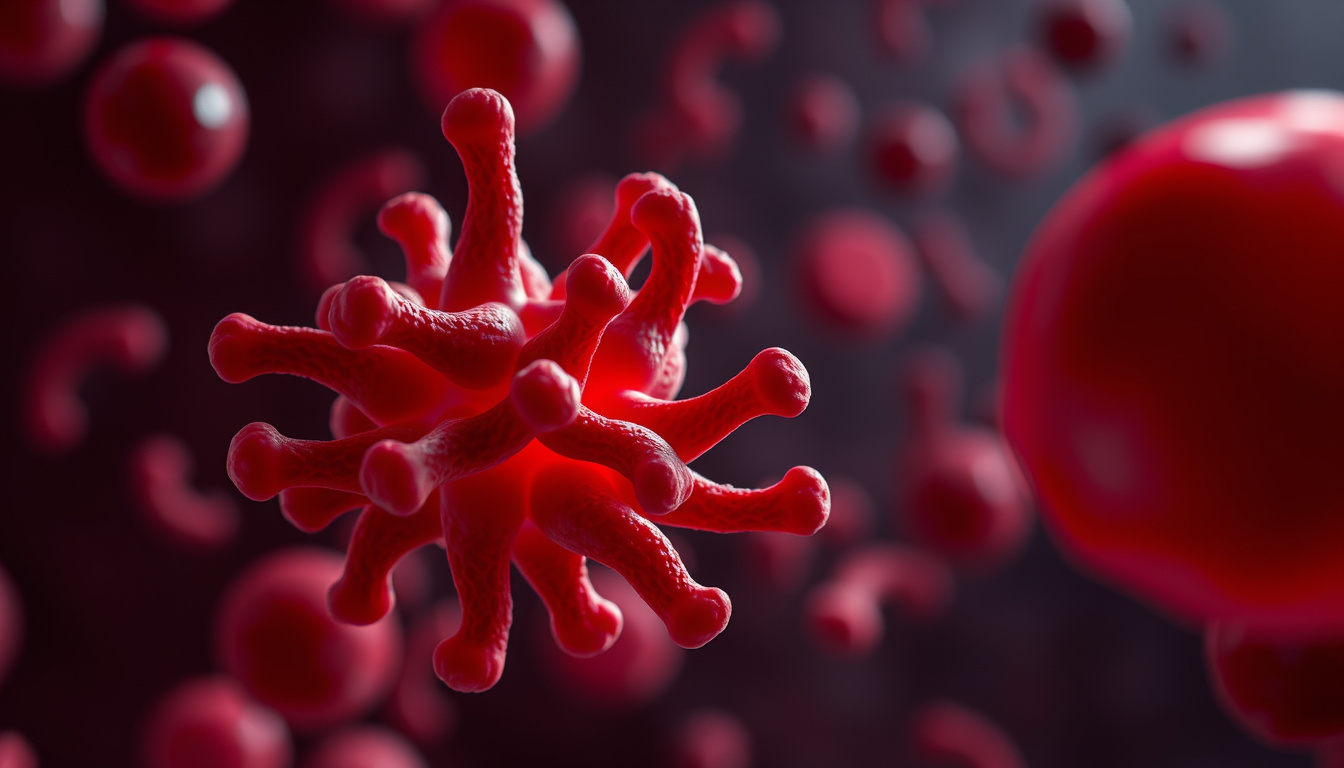

Living with sickle cell anemia means navigating pain that arrives without warning and shapes nearly every decision a person makes throughout the day. From the moment someone wakes up wondering whether a crisis will strike to the quiet exhaustion that follows yet another hospitalization, the condition rewrites the ordinary rhythms most people take for granted. This article examines how sickle cell disease reshapes daily life, what the pain actually feels like, and what modern science offers for those managing it.
Inherited disorder: Affects red blood cell shape · Primary impact: Blocks oxygen delivery · Common in: People of African descent · Life expectancy: Improved with treatment · Key crises: Vaso-occlusive pain episodes
Quick snapshot
- Sickle cell anemia results from a mutation in the hemoglobin beta chain gene, causing red blood cells to assume a rigid crescent shape (PMC/NCBI)
- The condition is inherited when a child receives two mutated HBB genes, one from each parent (Sickle Cell Association)
- Hydroxyurea remains the oldest and most common disease-modifying drug for reducing pain crises (Sickle Cell Association)
- Exact life expectancy varies significantly based on access to specialized care and newer therapies (Sickle Cell Association)
- Long-term outcomes of newer gene therapies still require extended follow-up data (NHS RHO)
- Barriers to hydroxyurea adoption across different healthcare systems remain incompletely quantified (Sickle Cell Association)
- Gabapentin showed significant pain reduction in a phase 2 study published in 2021 (Pharmacy Times)
- Connes et al. validated low-to-moderate intensity exercise as beneficial for pain management in 2024 (NCBI/NIH)
- Sickle Cell Trials Report released in March 2025 outlines evidence-based pain crisis strategies (NHS RHO)
- Gene therapies like Casgevy represent potentially curative options gaining regulatory approval (NHS RHO)
- Ongoing clinical trials continue exploring novel agents targeting different mechanisms of sickling (NHS RHO)
- Integrated care models combining psychological support with medical treatment show promise for improving outcomes (PMC/NCBI)
A comprehensive table of key facts about sickle cell anemia follows, summarizing the condition’s genetic basis, symptoms, and impact on those affected.
| Aspect | Details |
|---|---|
| Type | Inherited blood disorder |
| Affected cells | Red blood cells become sickle-shaped |
| Key gene | Hemoglobin beta chain mutation |
| Prevalence | Common in African, Mediterranean descent |
| Primary complication | Vaso-occlusive crises causing acute pain |
| Standard treatment | Hydroxyurea, pain management, transfusions |
| Emotional impact | 60% report high negative emotional burden |
| School impact | 51% report reduced achievement |
How does sickle cell disease affect a person’s daily life?
The daily reality of sickle cell disease extends far beyond the pain crises that land patients in emergency rooms. Research from PMC found that 60% of patients report a high negative emotional impact from the disease, while 51% experience reduced school achievement. These numbers capture something essential: the condition erodes quality of life in ways that no blood test fully measures.
Emotional and psychological impacts
The psychological toll of sickle cell disease often compounds the physical symptoms. Patients face anxiety about when the next crisis will strike, depression linked to chronic pain and frequent hospitalizations, and a pervasive sense of helplessness. Psychologists help SCD patients manage depression, anxiety, poor sleep, and social isolation from vaso-occlusive crises, according to APA Monitor. Frequent vaso-occlusive crises lead to missed work, school absences, and withdrawal from activities that others take for granted.
For patients living with sickle cell disease, untreated anxiety and depression can worsen pain perception and reduce adherence to treatment regimens. Research from JAMA Network Open shows that emotional and stress-related effects directly impact daily quality of life and the frequency and severity of pain episodes.
Daily management challenges
Managing sickle cell disease requires constant vigilance. Patients must monitor hydration levels, avoid extreme temperatures, manage fatigue, and stay alert to early warning signs of a crisis. Cognitive-behavioral therapy helps patients develop coping strategies for chronic pain, reducing anxiety and depressive symptoms according to PMC/NCBI. Support groups provide community and reduce isolation while offering peer advice for navigating daily challenges.
Disease severity varies dramatically. Some patients experience mild symptoms with rare pain episodes, while others face frequent severe crises that require repeated hospitalizations, as documented by the Sickle Cell Society.
What does sickle cell pain feel like?
Sickle cell pain defies easy description. Unlike the acute pain from a broken bone that eventually heals, sickle cell pain can persist for hours or days, sometimes transitioning from acute crises to chronic daily discomfort. Patients and clinicians consistently describe it as deep, throbbing pain concentrated in bones and joints, with intensity that rivals severe injuries or post-surgical pain.
Vaso-occlusive crisis description
During a vaso-occlusive crisis, misshapen red blood cells block small blood vessels, starving tissues of oxygen. The resulting ischemia causes excruciating pain that typically strikes without warning. Clinical guidelines recommend against initiating chronic opioid therapy for recently developed chronic pain unless the condition proves refractory to other treatments, according to guidance from ExchangeCME.
Pain management strategies
Effective pain management in sickle cell disease requires a multimodal approach combining medications with non-pharmacological strategies. Hydroxyurea increases fetal hemoglobin levels, reducing the proportion of sickled cells and decreasing pain crises. L-glutamine reduces the number of pain crises in both children and adults. Crizanlizumab, administered intravenously, blocks proteins causing red blood cells to stick together, preventing crises before they start.
While opioids remain essential for severe crises, long-term use carries risks of tolerance and opioid-induced hyperalgesia, where the body becomes more sensitive to pain signals. Clinical guidelines increasingly emphasize opioid-sparing approaches that combine multiple treatment modalities.
Gabapentin demonstrated significant improvement in worst-pain scores during vaso-occlusive crises in a phase 2 study conducted in 2021, with an adjusted mean reduction of –1.5 compared to –0.5 for placebo (p-value of 0.03), according to Pharmacy Times. Nonpharmacological strategies including cognitive-behavioral therapy, mindfulness, and yoga are recommended alongside medications for chronic pain management, as documented by NCBI/NIH.
The implication: Pain management in sickle cell disease has evolved beyond simply reaching for stronger opioids. Modern approaches combine disease-modifying drugs, neuropathic pain agents, psychological interventions, and complementary therapies like acupuncture, massage, heat/cold therapy, and gentle exercise such as swimming or yoga to address both the physical and emotional dimensions of pain.
What are 5 symptoms of sickle cell disease?
Sickle cell disease manifests through several recognizable patterns, though symptom severity and frequency vary considerably between individuals. Understanding these signs helps patients and caregivers recognize when intervention may be needed.
Early signs
- Pain crises: Sudden episodes of severe pain in bones, joints, chest, or abdomen, often signaling a vaso-occlusive crisis
- Anemia fatigue: Persistent tiredness and weakness from red blood cells breaking down faster than the body can replace them
- Swelling: Painful swelling in hands and feet, particularly common in infants and young children
- Jaundice: Yellowing of skin and eyes from bilirubin released during red blood cell destruction
- Delayed growth: Slower physical development in children due to chronic anemia and nutritional demands
Common ongoing symptoms
Beyond the initial presentations, patients frequently experience recurring complications including frequent infections due to spleen damage, vision problems from blood vessel blockages in the eyes, leg ulcers from compromised circulation, and stroke risk requiring careful monitoring in children. NSAIDs like ibuprofen help manage mild-to-moderate pain but require caution due to kidney and stomach risks, as documented by Sickle Cell Association.
What is the life expectancy with sickle cell disease?
Life expectancy for sickle cell disease has improved substantially over the past several decades, though significant disparities persist based on geographic location, access to specialized care, and availability of newer therapies. With proper management, many patients now live into their 40s, 50s, and beyond.
Factors improving survival
Several developments have extended survival and quality of life for sickle cell patients. Newborn screening programs now identify affected children before symptoms appear, allowing early intervention with penicillin to prevent infections and prompt start of disease-modifying therapies. Hydroxyurea, introduced decades ago, remains the cornerstone of treatment, reducing pain crises, acute chest syndrome episodes, and the need for transfusions. Voxelotor improves oxygen-carrying capacity in red blood cells, directly addressing the root cause of sickling by keeping hemoglobin in its oxygen-bound state longer.
Low-to-moderate intensity exercise, validated by Connes et al. in 2024, helps manage chronic pain without triggering crises, improving cardiovascular fitness and reducing inflammation. Mindfulness training enhances coping mechanisms, reduces stress, and increases patients’ sense of control over their condition.
Historical vs modern
Historical data from earlier eras showed median survival in the 30s for patients with sickle cell disease. Modern care has pushed median survival well into middle age, with many patients living productive lives into their 60s and beyond. The Sickle Cell Trials Report from March 2025 documents ongoing clinical trials exploring gene therapies that may eventually offer curative options.
The pattern: Survival gains have come from three converging forces—earlier diagnosis through universal screening, disease-modifying drugs that reduce crisis frequency, and comprehensive care models that address both physical and psychological needs.
Why are black people more prone to sickle cells?
Sickle cell disease and sickle cell trait disproportionately affect people of African descent, along with populations from the Mediterranean region, Middle East, and parts of India. This distribution reflects an evolutionary paradox: the genetic mutation that causes sickle cell disease also provides protection against severe malaria. The genetic mutation that causes sickle cell disease also provides protection against severe malaria, a topic you can explore further at giustizia in italia.
Genetic mutation origins
The hemoglobin beta chain mutation that causes sickle cell disease appears to have originated independently multiple times in regions where malaria was endemic. Individuals who carried one copy of the mutation (sickle cell trait) gained protection against Plasmodium falciparum malaria while suffering minimal effects from the trait itself. This survival advantage allowed the mutation to spread in malarial zones through natural selection.
Prevalence in populations
In the United States, sickle cell disease occurs in approximately 1 in 365 Black or African American births. In parts of sub-Saharan Africa, the figure rises to as high as 1 in 50 newborns. The condition remains less recognized in non-African populations, leading to diagnostic delays and reduced research funding compared to conditions affecting other demographic groups.
What this means: The evolutionary advantage that spread the sickle cell mutation across Africa and beyond now manifests as a significant health burden for descendant populations. Addressing this burden requires sustained investment in research, improved access to care, and culturally competent healthcare delivery.
Related reading: Low Iron Symptoms
Frequently asked questions
What is sickle cell trait?
Sickle cell trait occurs when a person inherits one mutated HBB gene and one normal gene. Trait carriers typically experience no symptoms and have normal blood counts, but can pass the mutation to their children. Sickle cell trait is not the same as sickle cell disease, which requires two mutated genes.
How is sickle cell anemia inherited?
A child must receive two copies of the mutated hemoglobin gene—one from each parent—to develop sickle cell disease. If both parents carry the trait, each child has a 25% chance of having the disease, a 50% chance of having the trait, and a 25% chance of being unaffected.
What triggers sickle cell crises?
Common triggers include dehydration, extreme temperatures (hot or cold), high altitude, physical exertion, stress, and infections. Patients are advised to stay well-hydrated, avoid temperature extremes, and manage stress through techniques like mindfulness.
Are there new treatments for sickle cell anemia?
Several newer therapies have emerged including voxelotor (improves oxygen delivery), crizanlizumab (prevents cell adhesion), and L-glutamine (reduces oxidative stress and pain crises). Gene therapies like Casgevy have received regulatory approval and offer potentially curative options for eligible patients.
How to prevent sickle cell complications?
Prevention involves staying hydrated, avoiding extreme temperatures, managing stress, maintaining infections through appropriate hygiene and prompt treatment, attending regular medical checkups, and adhering to prescribed medications including hydroxyurea and preventive antibiotics in childhood.
What diet helps with sickle cell anemia?
A balanced diet rich in folate supports red blood cell production. Patients should ensure adequate hydration, avoid extreme dietary restrictions, and discuss any supplements with their healthcare team since certain vitamins and herbs may interact with medications.
Is sickle cell anemia contagious?
No. Sickle cell anemia is an inherited genetic condition, not an infectious disease. It cannot be transmitted through contact, blood transfusion from a non-affected donor, or any other means of disease transmission. Only genetic inheritance from parents determines who develops the condition.
Sickle cell pain is complex and needs a well-rounded plan
Effective sickle cell pain management requires an integrated, multimodal strategy across outpatient and inpatient settings.
Psychologists are crucial for helping those living with sickle cell disease manage numerous neurocognitive, emotional, and psychosocial issues.
Sickle cell pain is complex and needs a well-rounded plan, not just a quick fix.
— Sickle Cell Association
For patients navigating sickle cell disease, the path forward increasingly points toward integrated care models that treat the whole person, not just blood counts. Modern medicine offers more tools than ever before—disease-modifying drugs, targeted therapies, cognitive-behavioral approaches, and emerging gene therapies that may eventually cure the condition. Yet the emotional burden remains substantial, with 60% of patients reporting high negative impacts on their daily lives.
Healthcare systems must invest in comprehensive sickle cell programs that combine medical treatment with psychological support, or continue accepting the unnecessary suffering that comes from fragmented, crisis-driven care. For patients and families, the message is equally clear: advocacy matters, support groups help, and modern treatments can extend both lifespan and quality of life when accessed early and consistently.

Priya Mitchell leads fact-checking, source verification and corrections at Coast Current.