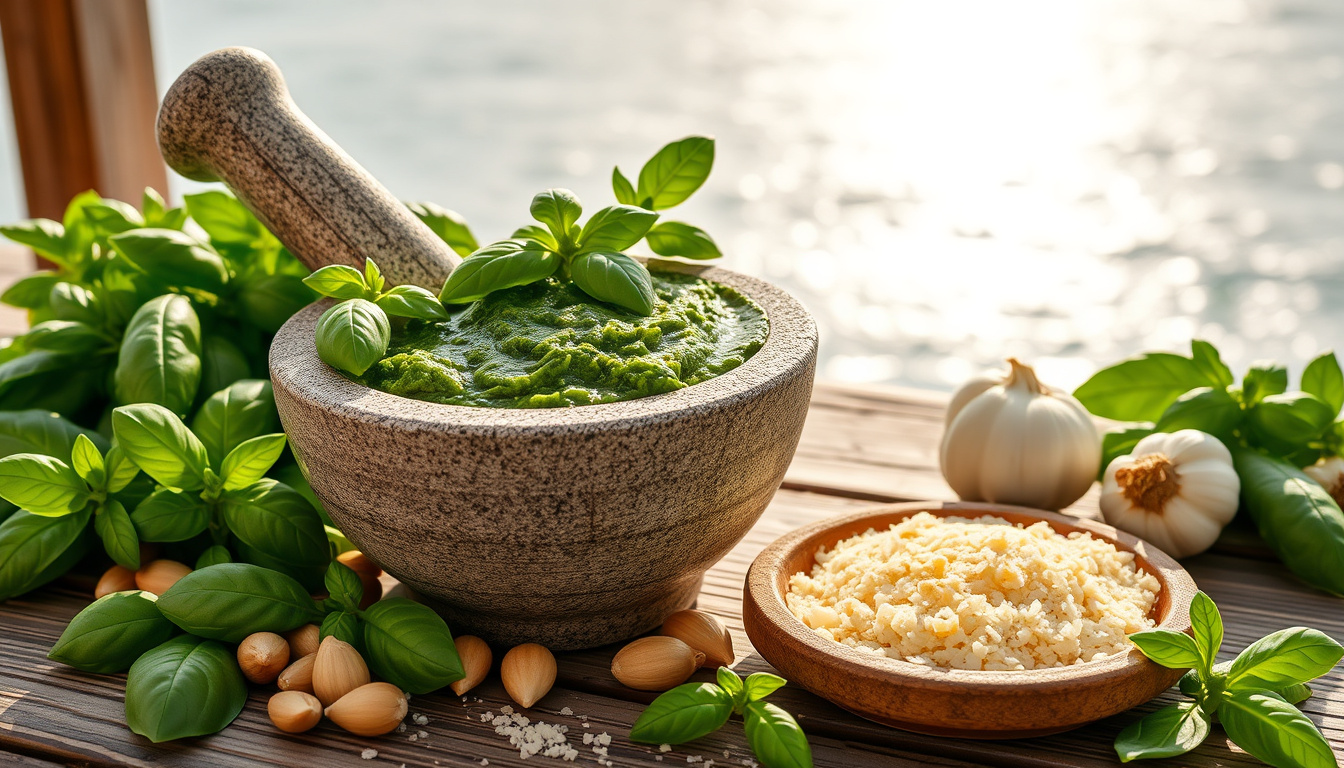

Basil pesto, known in Italy as pesto alla genovese, is a vibrant green sauce originating from the coastal city of Genoa. The recipe transforms fresh basil leaves into a rich, aromatic condiment through techniques refined over centuries. Whether prepared with a traditional mortar and pestle or a modern food processor, understanding the fundamentals ensures consistent results every time.
The appeal of homemade basil pesto extends beyond its exceptional flavor. A properly made batch requires just ten minutes of active preparation and yields approximately one cup of sauce, enough to toss with pasta for a family meal or dress vegetables for a light side dish. The key lies in selecting the right ingredients and handling them with care to preserve the bright color and essential oils that define quality pesto.
This guide covers the complete process from ingredient selection through storage methods, addressing common questions about authenticity, substitutions, and technique variations. Readers seeking specific side dish inspiration may find value in exploring our Classic Potato Salad Recipe as a complementary addition to summer meals.
How Do You Make Basil Pesto?
Creating basil pesto involves combining fresh ingredients and processing them in a way that emulsifies the oils while preserving the bright green color of the basil. The traditional method uses a stone mortar and wooden pestle, while contemporary cooks often rely on food processors or blenders for convenience. Both approaches yield flavorful results, though the texture and depth of flavor differ noticeably.
Essential Insights for Best Results
- Select young Genovese basil leaves with small, tender leaves for optimal aroma
- Keep all tools and oils chilled before preparation to prevent oxidation
- Toast pine nuts lightly to enhance their nutty flavor profile
- Avoid overheating ingredients during processing, which causes browning
- Add olive oil gradually while stirring to achieve proper emulsification
- Season and taste at the end, adjusting salt or oil as needed
- Never cook or heat ingredients during preparation
Quick Reference: Ingredient Breakdown
| Ingredient | Amount | Notes |
|---|---|---|
| Fresh basil leaves | 30-80g (~2 cups packed) | 50 leaves, young Genovese variety preferred |
| Pine nuts | 15-35g (~2 tablespoons) | Lightly toasted for enhanced flavor |
| Garlic | 1-2 cloves | Fresh, not sprouted |
| Coarse salt | 1 pinch to 1 teaspoon | Helps break down garlic |
| Extra-virgin olive oil | 40-100ml | Chilled Ligurian oil preferred |
| Parmigiano-Reggiano | 40-80g | Freshly grated |
| Pecorino Romano | 20-80g | Freshly grated |
When using a food processor, pulse rather than puree. Over-processing generates friction heat that oxidizes the chlorophyll in basil, causing the sauce to darken and lose its characteristic bright green color.
What Are the Key Ingredients in a Classic Basil Pesto Recipe?
A traditional basil pesto recipe centers on seven core ingredients, each contributing distinct flavors and textures to the final sauce. The quality of these components directly influences the outcome, making ingredient selection a critical step in the preparation process.
Choosing the Right Basil
The basil variety makes a significant difference in both flavor and appearance. Genovese basil, native to the Liguria region of Italy, features small tender leaves with an intense aroma and less camphor bitterness compared to other varieties. Sources recommend using young, freshly harvested leaves for the most vibrant color and fragrance. Approximately fifty leaves equal thirty to eighty grams when packed loosely into measuring cups.
The Role of Cheeses
Authentic pesto alla genovese requires a blend of two Italian cheeses: Parmigiano-Reggiano and Pecorino Romano. Each contributes different flavor dimensions—Parmigiano adds nutty depth and umami richness while Pecorino brings sharper, saltier notes. Both should be freshly grated rather than purchased pre-shredded, as pre-packaged cheese lacks moisture and doesn’t incorporate as smoothly. Ratios range from forty to eighty grams of each cheese depending on desired intensity.
Olive Oil Selection
Extra-virgin olive oil serves as the emulsifying agent that brings the sauce together while adding its own fruity, peppery notes. Ligurian olive oil is the traditional choice for pesto genovese, though any quality extra-virgin variety works well. Several sources recommend chilling the oil for thirty minutes before use alongside the processing bowl and blade when using mechanical methods. This precaution slows oxidation and preserves the bright green color of the finished sauce.
Pine nuts should be lightly toasted before adding to the mortar or processor. Toasting amplifies their natural nutty flavor and ensures they blend smoothly rather than remaining gritty in the finished sauce.
Can You Make Basil Pesto Without Pine Nuts?
Pine nuts present accessibility challenges for many cooks due to their cost, allergy concerns, and occasional scarcity in markets. Understanding available substitutions helps accommodate dietary restrictions while still producing an enjoyable basil sauce.
Nut-Based Substitutions
Walnuts serve as the most common direct substitute, offering a similar buttery texture and mild flavor that complements basil without overpowering it. Almonds provide a slightly sweeter alternative with good results in most applications. Cashews create an exceptionally smooth texture but introduce a distinct flavor that diverges from tradition. For those preferring pumpkin seeds, the result works well in pesto applications though the visual appearance differs from the classic version.
Nut-Free Alternatives
Sunflower seeds represent the most effective nut-free option, producing a pesto-like consistency suitable for pasta, sandwiches, and dressings. The flavor profile shifts noticeably compared to traditional recipes, but the sauce remains functional and enjoyable. Some cooks experiment with hemp seeds or skip the nut component entirely, though this latter approach produces a noticeably different sauce.
Substituting nuts or seeds alters the traditional character of pesto alla genovese. While these alternatives work well for everyday cooking, purists maintaining authenticity should note that the result diverges from the established recipe originating from Genoa.
How Long Does Homemade Basil Pesto Last and How to Store It?
Homemade basil pesto contains no preservatives, meaning proper storage directly impacts how long the sauce remains safe to eat and flavorful. The primary enemies of pesto quality are exposure to air, which causes oxidation, and enzymatic activity that leads to browning and flavor degradation.
Refrigerator Storage
When stored correctly in the refrigerator, homemade pesto maintains optimal quality for up to one week. The key technique involves pressing the sauce flat in an airtight container and sealing the surface with a thin layer of additional olive oil. This oil barrier blocks air contact and dramatically slows oxidation. Alternatively, placing a lemon slice on top of the pesto achieves similar results by creating an acidic barrier that also inhibits enzymatic browning.
Freezer Storage
For longer-term preservation, freezing extends pesto shelf life to approximately six months while retaining most flavor and color qualities. The recommended method involves spooning portions into ice cube trays, covering each cube with a thin oil layer, and freezing until solid. Once frozen, cubes transfer easily to zip-top freezer bags for compact storage. This portioning approach allows thawing only what each recipe requires.
Frozen pesto requires minimal thawing before use. Adding cubes directly to hot pasta or soups works effectively because the heat actually revives the sauce texture and releases the aromatic compounds that might have dulled during freezing. The heat also helps the pesto incorporate more smoothly with starchy pasta water.
Consider batch preparation during summer when fresh basil reaches peak quality and availability. Freezing multiple portions ensures access to homemade pesto during winter months when quality basil becomes harder to source at reasonable prices.
Step-by-Step Preparation Methods
The preparation method chosen influences both the texture and flavor depth of the finished pesto. Two primary approaches exist, each with distinct advantages worth understanding.
The Mortar and Pestle Technique
The traditional method begins with freezing the mortar and pestle for one hour prior to preparation. This precaution keeps tools cold during the process. The sequence proceeds as follows: first, garlic and salt crush together into a smooth paste; second, pine nuts join the mixture and pound until reaching paste consistency; third, basil leaves tear by hand and gradually incorporate, grinding gently to release the green juices without generating heat; fourth, cheeses combine with the other ingredients; finally, olive oil drizzles in gradually while stirring continuously.
This mashing action rather than chopping preserves the volatile essential oils within the basil leaves. Scientific analysis explains that gentle cell wall rupture extracts these aromatic compounds without the friction heat that oxidizes chlorophyll and degrades flavor compounds. The result produces a brighter green color and more intense basil presence compared to processed alternatives.
Food Processor or Blender Method
Modern convenience drives many cooks toward mechanical processing, which reduces active preparation time significantly. Before beginning, chill the bowl, blade, and olive oil for thirty minutes. Add garlic, pine nuts, and salt to the chilled bowl, pulsing until combined. Add basil leaves and cheeses, then pulse while drizzling olive oil through the feed tube until reaching desired consistency.
The critical caution involves avoiding over-processing. Running the machine continuously creates friction heat that causes the basil to darken and develop bitter notes. Food processors tend toward coarser textures while blenders produce smoother results. Some recipes specifically note that blenders yield smoother textures than food processors due to their blade design and processing action.
Authentic Pesto Genovese Versus Modern Variations
Understanding the distinction between authentic Italian pesto alla genovese and the broader category of pesto preparations helps set appropriate expectations for the finished dish. Regional traditions define specific ingredient requirements that purists consider non-negotiable.
Established Information
- Pesto originated in Genoa, Liguria, using basil abundant in the region
- The name derives from Italian “pestare” meaning to pound or crush
- Traditional preparation uses mortar and pestle
- Regional variations exist beyond the Genovese classic
- The sauce historically evolved from ancient Roman mortarium techniques
Less Clear Points
- Exact historical date of the first pesto alla genovese recipe
- Whether ancient versions included cheese or if this addition came later
- Precise nutritional values vary significantly between recipes
Regional Italian Variations
Beyond pesto alla genovese, other Italian regional styles exist with distinct ingredient profiles. Pesto Trapanese, originating from Trapani in Sicily, incorporates tomatoes and almonds alongside the basil, reflecting local ingredient availability. Dairy-free Ligurian styles omit cheese entirely while maintaining the olive oil and nut base, appealing to those with lactose restrictions. For those seeking to recreate this iconic flavor, a klasyczny przepis na pizzę Margherita offers a guide to the traditional ingredients and methods.
American Adaptations
Recipes developed for American kitchens often adjust ingredient ratios to accommodate local availability and flavor preferences. Substitutions like roasted garlic for raw, or adding lemon juice for brightness, represent departures from tradition that improve acceptance in North American contexts but diverge from the established Genovese standard.
The Science and History Behind Pesto
Pesto alla genovese represents more than a simple condiment combination. The technique embodies principles understood by ancient Romans who prepared similar sauces in stone mortars called mortarium vessels. The fundamental science involves cell wall rupture and essential oil extraction, processes that work most effectively through crushing rather than cutting or blending.
When basil leaves undergo mechanical processing, cell walls rupture and release their contents. Within these cells reside essential oils containing the aromatic compounds responsible for basil’s characteristic fragrance. Gentle mashing ruptures these cells progressively, allowing oils to escape without generating significant friction heat. High-speed blade processing, by contrast, ruptures cells more randomly and creates friction that warms the surrounding tissue.
This heat accelerates chlorophyll oxidation, the same chemical process that causes cut apples to brown. Once oxidized, chlorophyll changes light absorption properties and appears brownish rather than the vibrant green expected in quality pesto. Chilling ingredients and tools before processing slows this enzymatic reaction, extending the window during which the sauce retains its bright color.
The traditional mortar and pestle method has been passed down through generations not merely for romantic reasons, but because the technique genuinely produces superior results that modern equipment struggles to replicate consistently.
Serving Suggestions and Classic Pairings
While pesto serves many purposes, certain pairings have earned recognition as particularly successful. The classic Italian approach centers on pasta, with specific shapes deemed especially suitable for holding the sauce effectively.
Traditional Pasta Pairings
Trofie and linguine represent the pasta shapes most commonly associated with pesto genovese in Liguria. Trofie’s twisted shape creates natural pockets that catch and hold the sauce, while linguine’s flat profile provides ample surface area for coating. Gnocchi, the small potato dumplings, also pair exceptionally well, their soft texture complementing the herbaceous richness of the sauce.
When preparing pasta with pesto, reserving a small amount of cooking water before draining proves valuable. The starchy liquid helps emulsify the sauce as it combines with the hot pasta, creating a cohesive coating rather than congealed lumps. Adding the pesto off the heat and tossing quickly distributes the sauce evenly without further cooking.
Beyond Pasta
The versatility of basil pesto extends into numerous other applications. Tossed with boiled potatoes and green beans, pesto creates a traditional Ligurian side dish. Spread on toasted bread and topped with fresh mozzarella, it transforms simple bruschetta into something memorable. Added to soups, drizzled over grilled meats, incorporated into salad dressings, or used as pizza sauce, pesto adapts to countless preparations.
Those interested in other classic accompaniments may appreciate our Dark and Stormy Authentic Recipe as a refreshing beverage option to serve alongside pesto-based dishes during warm weather gatherings.
When serving pesto at room temperature, present it tableside rather than pre-mixing with hot pasta. This approach allows diners to control the amount and prevents the sauce from cooking further, which can dull the bright green color and alter the fresh basil flavor.
Nutrition and Dietary Considerations
A typical serving of basil pesto, approximately two tablespoons, delivers concentrated flavors alongside notable nutritional contributions. The precise values vary based on exact ingredient ratios and specific product choices, but general profiles hold reasonably consistent across authentic recipes.
Each serving provides approximately two hundred calories, primarily from the healthy monounsaturated fats present in olive oil and pine nuts. These fats support cardiovascular health when consumed as part of a balanced diet. The basil component contributes vitamins A, C, and K, while the cheese portion adds calcium and protein. Pesto qualifies as naturally low-carb and gluten-free, making it suitable for many contemporary dietary approaches.
Vegan Adaptations
Those following vegan diets can produce pesto-inspired sauces by omitting the cheese component entirely or replacing it with alternatives. Nutritional yeast provides some umami character and vitamin B12 content, though the flavor profile differs substantially from the dairy version. Some recipes incorporate egg yolks for richness or white miso for depth, but these modifications represent departure from the Genovese tradition rather than variations within it.
Summary
Basil pesto recipe success depends on ingredient quality, proper technique, and appropriate storage. Authentic pesto alla genovese centers on fresh Genovese basil, quality olive oil, pine nuts, and a blend of Italian cheeses, prepared either through the traditional mortar method or a modern food processor. Substitutions accommodate allergies and dietary preferences while still producing enjoyable sauces. Storage in the refrigerator extends usability to one week, while freezing permits six-month preservation. The sauce’s versatility makes it suitable for pasta, sandwiches, soups, and numerous other applications, securing its place as a fundamental component of Italian culinary tradition.
Frequently Asked Questions
What is the best basil for pesto?
Genovese basil produces optimal results due to its small, tender leaves and intense aroma with less bitter camphor notes compared to other varieties. Young leaves deliver the brightest green color and most pronounced flavor.
What is authentic pesto Genovese?
Pesto alla genovese is a traditional Italian sauce from Genoa, Liguria, prepared with fresh basil, pine nuts, garlic, coarse salt, extra-virgin olive oil, and a blend of Parmigiano-Reggiano and Pecorino Romano cheeses, traditionally crushed in a mortar and pestle.
Can you make pesto without pine nuts?
Walnuts, almonds, cashews, pumpkin seeds, or sunflower seeds all work as substitutes, though each alters the traditional flavor profile. Nut-free options produce functional sauces suitable for various applications.
How long does homemade pesto last in the refrigerator?
Properly stored in an airtight container with an olive oil layer on top, homemade pesto maintains quality for approximately one week in the refrigerator.
Can you freeze homemade pesto?
Homemade pesto freezes successfully for up to six months. Portion into ice cube trays, top each cube with oil, freeze until solid, then transfer to zip-top freezer bags for convenient single-serving portions.
Why did my pesto turn brown?
Browning results from chlorophyll oxidation, typically caused by friction heat during processing or prolonged exposure to air. Chilling ingredients and tools before preparation helps prevent this discoloration.
Is pesto gluten-free?
Traditional basil pesto contains no gluten-containing ingredients and qualifies as naturally gluten-free. However, those with severe celiac sensitivity should verify that cheese products used are processed in certified facilities.
What pasta pairs best with basil pesto?
Trofie and linguine represent the classic Italian pairings, though any short pasta shape with sauce-catching pockets works well. Avoid long spaghetti if possible, as the flat profile of linguine holds sauce more effectively.