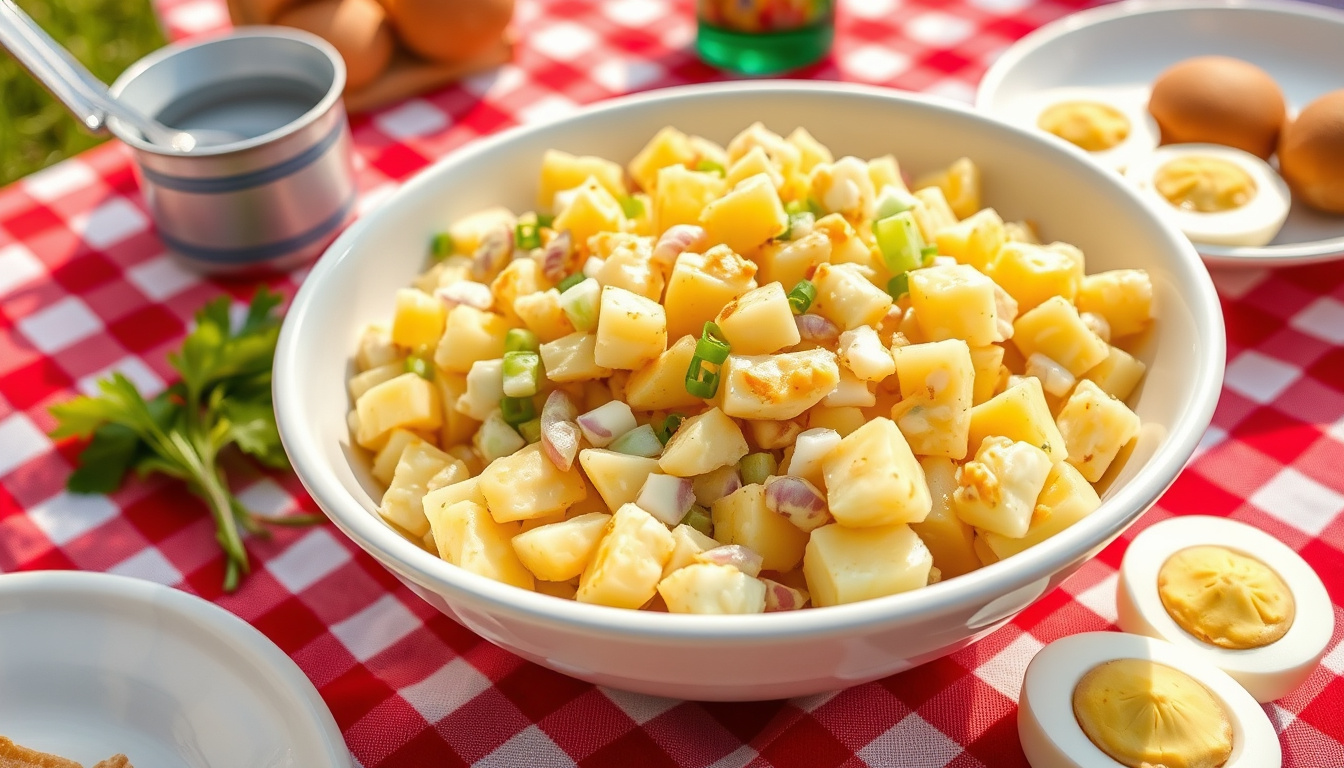

Potato salad remains one of the most requested side dishes at backyard gatherings, cookouts, and family dinners across the country. This comprehensive guide covers everything from selecting the right potatoes to mastering the creamy dressing that makes this dish so beloved.
Whether you are preparing for a summer barbecue or simply want a reliable recipe for weeknight meals, understanding the fundamentals of classic potato salad will elevate your cooking. The difference between a mediocre salad and an exceptional one often comes down to simple techniques and ingredient choices.
This recipe delivers a traditional American-style potato salad with a tangy, creamy finish that pairs well with grilled meats and fresh vegetables. Most home cooks can prepare this dish in under an hour, making it an accessible choice for both experienced and beginning chefs.
How to Make Classic Potato Salad: Step-by-Step
Creating the perfect potato salad requires attention to texture, temperature, and seasoning balance. The following steps outline the standard method used across professional and home kitchens alike.
- Use waxy potatoes like Yukon Gold to avoid mushiness in the final dish
- Dress warm potatoes rather than cold ones for better flavor absorption
- Allow the salad to chill for at least two hours before serving
- Season progressively and taste at each stage
- Add pickle juice to the dressing for enhanced tanginess
- Chop vegetables uniformly for consistent texture in every bite
- Cover potatoes with cold salted water when boiling to ensure even cooking
| Ingredient | Quantity | Purpose |
|---|---|---|
| Yukon Gold Potatoes | 3-5 lbs | Base with creamy texture |
| Mayonnaise | 1-2 cups | Creamy binding agent |
| Hard-Boiled Eggs | 4 large | Protein and richness |
| Pickles or Relish | 1/2-1 cup | Tang and crunch |
| Yellow Mustard | 2-3 Tbsp | Flavor depth and color |
| Celery and Onion | 1-3 stalks, 1/4 small | Freshness and texture |
Preparing the Potatoes
Wash the potatoes thoroughly and cut them into one-half to one-inch chunks. Peeling is optional depending on your preference, though many cooks leave the skins on Yukon Gold potatoes for added texture and nutrition. Place the cut potatoes in a large pot and cover them with cold salted water.
Bring the water to a boil over high heat, then reduce to a gentle simmer. Cook for ten to fifteen minutes until a fork pierces the potatoes easily but they remain firm rather than falling apart. Drain the potatoes and let them steam covered for five to ten minutes to remove excess moisture.
Making the Dressing
While the potatoes cool slightly, whisk together the mayonnaise, yellow mustard, a splash of vinegar, and pickle juice in a large bowl. Add salt and pepper to taste, adjusting the proportions until you achieve a balance of tangy and creamy. Some recipes incorporate buttermilk or sour cream for additional tang.
Combining and Chilling
Toss the warm potatoes with one to three tablespoons of vinegar, allowing them to absorb the acidity before mixing with the dressing. Fold in the chopped eggs, pickles, celery, and onions, ensuring everything is evenly distributed. Pour the dressing over the mixture and gently fold until all ingredients are well coated.
Refrigerate the salad for a minimum of two hours, though overnight resting yields the best results as the flavors meld together. Stir the salad before serving and garnish with a light sprinkle of paprika for color.
Best Potatoes and Ingredients for Potato Salad
Selecting the appropriate potato variety forms the foundation of an excellent potato salad. Different starch contents produce distinctly different textures, and understanding these properties helps you achieve your desired result every time.
Yukon Gold: The Preferred Choice
Yukon Gold potatoes consistently rank as the top choice among professional and home cooks for potato salad preparation. These potatoes offer a lightly sweet flavor, waxy texture that holds shape during boiling, and creamy interiors that blend beautifully with dressing. The golden flesh also provides an attractive appearance in the finished dish.
Unlike new potatoes or red potatoes, Yukon Gold varieties absorb dressing without becoming soggy or breaking down into a mushy consistency. Many recipes specifically recommend this variety for achieving that ideal balance between tender and firm in each bite.
Russet Potatoes: An Alternative Approach
Russet potatoes offer a valid alternative when you prefer a flakier, more mealy texture in your potato salad. The higher starch content creates a creamier, almost mashed-like consistency that some prefer. If using Russets, start them in cold water and bring to a boil gradually to prevent them from breaking apart too easily.
Extra-starchy Russets should be avoided if you want firm chunks in your salad. The starch absorbs liquid rapidly and can result in a gummy texture that lacks the desirable bite contrast with the creamy dressing.
Choose potatoes that feel firm and heavy for their size, without any green tint or sprouting eyes. Store them in a cool, dark place and use within a few weeks for best results.
Essential Add-Ins and Seasonings
Beyond the potatoes, several key ingredients define the classic American potato salad profile. Hard-boiled eggs contribute protein and richness while helping bind the dressing to the potato surfaces. Pickles or pickle relish add necessary tanginess and textural contrast.
Celery provides crunch and freshness that balances the creamy dressing, while onion, whether white, red, or green, contributes sharpness and depth. Optional additions like celery seeds, fresh dill, or water chestnuts can customize the salad to your preferences.
Potato Salad Storage and Make-Ahead Tips
Proper storage practices ensure your potato salad remains safe and delicious for days after preparation. Understanding the science behind food safety helps you enjoy this dish with confidence at every serving.
Refrigeration Guidelines
Potato salad keeps well in the refrigerator for up to five days when stored in an airtight container. The mayonnaise and egg content means this dish requires consistent refrigeration to prevent bacterial growth. Always place the salad in the fridge within two hours of preparation.
For outdoor events or warm weather serving, keep potato salad below forty degrees Fahrenheit at all times. When ambient temperatures exceed ninety degrees Fahrenheit, discard any potato salad that has been sitting out for more than one hour to ensure food safety.
The general food safety guidance recommends discarding potato salad after two hours at room temperature. This applies especially to mayonnaise-based preparations due to the egg content. Keeping the salad cold throughout service significantly reduces spoilage risk.
The Make-Ahead Advantage
Potato salad actually improves when made one day in advance, as the flavors have time to meld and develop. The potatoes absorb the dressing more thoroughly, resulting in a more cohesive and flavorful final product. Before serving, give the salad a good stir to redistribute any settled dressing.
Making the salad ahead reduces day-of prep stress and allows you to focus on other dishes and tasks. Many hosts prepare their potato salad the evening before a gathering and simply store it covered in the refrigerator until needed.
Mayonnaise-based potato salads present food safety challenges at hot outdoor events like summer picnics. Consider vinegar-based variations for these situations, as they resist spoilage more effectively in warm conditions.
Understanding Storage Safety
| Established Information | Uncertainties |
|---|---|
| Standard mayo-based potato salad lasts 3-5 days refrigerated | Precise guidelines may vary by specific recipe and ingredients |
| Vinegar-based versions typically last longer due to higher acidity | Exact shelf life depends on vinegar concentration and other factors |
| Always refrigerate below 40°F (4°C) for safety | Optimal container types not fully standardized |
Popular Potato Salad Variations
Regional and personal preferences have spawned numerous potato salad variations across American cuisine. Understanding these different styles helps you choose the right approach for your next gathering or adapt recipes to your taste preferences.
Southern-Style Potato Salad
Southern potato salad distinguishes itself through extra creaminess and specific ingredient choices. This version typically includes more hard-boiled eggs than northern versions, along with sweet pickle relish that adds a subtle sweetness to balance the tang. Water chestnuts often make an appearance, providing additional crunch.
Paprika garnish serves both decorative and flavor purposes in traditional Southern recipes. Yukon Gold potatoes remain essential for achieving the characteristic smooth interior that contrasts with the chunky texture. This style pairs exceptionally well with barbecue meats and grilled dishes.
German Potato Salad
German potato salad represents a fundamentally different approach to the dish. Traditionally served warm or hot rather than chilled, this variation relies on a vinegar-based dressing rather than mayonnaise. Bacon fat, mustard, and apple cider vinegar create a tangy, savory profile that differs dramatically from American creaminess.
Waxy potatoes work best for German-style preparations, holding their shape through the warm dressing application. The acid from the vinegar penetrates the potatoes more readily when served warm, delivering bold flavor in every bite.
Vinegar-Based American Variations
A middle ground exists between the cream-heavy Southern style and the vinegar-forward German approach. These American adaptations incorporate apple cider vinegar or white wine vinegar into the dressing while maintaining a base of mayonnaise. The result offers tanginess without completely abandoning the creamy texture that defines the dish for many eaters.
Adding celery seeds or fresh dill to vinegar-based preparations enhances the complexity of flavor. Some cooks reduce the mayonnaise amount by half and substitute with sour cream or Greek yogurt for a lighter profile that still maintains creaminess.
Healthy Modifications
Health-conscious cooks have developed several strategies for reducing calories and fat in potato salad without sacrificing flavor. Substituting half the mayonnaise with Greek yogurt significantly cuts fat content while adding protein and tanginess. Using skin-on potatoes increases fiber content and adds nutritional value.
Reducing sodium by omitting added salt and relying on pickle juice for flavor presents another viable approach. Adding extra vegetables like bell peppers, carrots, or fresh herbs increases nutrient density and provides visual appeal.
The Timeline: From Raw Ingredients to Finished Dish
Understanding the sequence of steps helps you plan your cooking timeline effectively and ensures each element receives proper attention. The process from start to finish typically spans one to two hours depending on cooling time.
- Prepare potatoes by washing, peeling if desired, and cutting into uniform chunks
- Boil potatoes in cold salted water for 10-15 minutes until fork tender
- Steam potatoes covered for 5-10 minutes to remove excess moisture
- Mix dressing by whisking mayonnaise, mustard, vinegar, and seasonings
- Toss warm potatoes with vinegar and allow to cool slightly
- Combine potatoes with dressing, eggs, pickles, celery, and onions
- Refrigerate for minimum 2 hours, preferably overnight
- Stir before serving and adjust seasoning as needed
The total active time ranges from thirty to forty minutes, with the remainder devoted to cooling and chilling. Planning ahead for the resting period ensures you achieve the best possible flavor and texture in your finished dish.
History and Cultural Context
Potato salad evolved through American culinary traditions during the nineteenth century, appearing in early cookbooks as a practical way to use potatoes during harvest seasons. The dish adapted ingredients and techniques from German and Eastern European preparations, combining them with local preferences and available ingredients.
Picnic culture in America elevated potato salad to its current status as a quintessential side dish. The dish traveled well, could be prepared in large batches, and complemented the grilled meats common at outdoor gatherings. Regional variations developed based on local ingredient availability and cultural influences.
Southern adaptations incorporated ingredients like sweet pickles and hard-boiled eggs that reflected regional preferences, while northern versions often favored dill and simpler preparations. The dish continues to evolve as cooks experiment with new ingredients while maintaining traditional techniques.
What to Serve with Potato Salad
Potato salad serves as an exceptionally versatile side dish that complements numerous main courses. Understanding ideal pairings helps you plan complete meals that satisfy diverse appetites and preferences.
Grilled and barbecued meats represent the most traditional pairings for potato salad. Burgers, hot dogs, brats, and grilled chicken all benefit from the cool, creamy contrast that potato salad provides. The dish also works well alongside Dark and Stormy recipe pairings for warm-weather entertaining.
For more comprehensive meal planning, exploring How to Fix Slow Cooker Recipes can help you prepare compatible main dishes that complement your potato salad preparation timeline.
Expert Perspectives on Potato Preparation
Professional cooks and culinary experts emphasize the importance of proper potato selection and preparation techniques for achieving optimal results. Multiple sources across recipe platforms and cooking websites converge on key principles that distinguish excellent potato salad from merely adequate versions.
Using warm vinegar on potatoes before mixing with dressing allows the potatoes to absorb flavor more effectively than dressing cold potatoes with cold dressing.
The distinction between waxy and starchy potatoes fundamentally changes the final texture; choosing Yukon Gold for structure or Russet for creaminess depends entirely on your preferred outcome.
Food safety guidelines from USDA recommendations emphasize consistent refrigeration and time-temperature awareness when handling potato salad containing mayonnaise and eggs. Following these guidelines ensures your potato salad remains safe for consumption throughout its storage life.
Nutrition Information Per Serving
A single serving of classic potato salad, approximately one cup, contains roughly three hundred to four hundred calories. The majority of these calories come from carbohydrates in the potatoes and fat in the mayonnaise dressing.
Key nutritional components include thirty to forty grams of carbohydrates, fifteen to twenty grams of fat, and five to eight grams of protein per serving. Potatoes contribute potassium and vitamin C, while eggs add additional protein and nutrients.
For those managing dietary restrictions, modifications like using low-fat mayonnaise, substituting Greek yogurt for half the mayo, keeping potato skins on, and controlling portions can make potato salad a reasonable option within various eating plans.
Key Takeaways for Perfect Potato Salad
Mastering potato salad comes down to understanding a few fundamental principles: select the appropriate potato variety for your desired texture, control cooking times to achieve firm but tender results, allow sufficient resting time for flavors to develop, and maintain proper food safety practices throughout storage and service.
Whether you prefer the classic creamy American style or lean toward vinegar-based preparations, the core techniques remain consistent. Start with quality ingredients, follow proper preparation methods, and give your salad time to rest before serving for the best possible results.
How long should I boil potatoes for potato salad?
Boil potatoes for ten to fifteen minutes until a fork pierces them easily but they remain firm. Overcooked potatoes will become mushy when mixed with dressing.
Can you make potato salad without mayo?
Yes, vinegar-based dressings work well and create German-style potato salad. Use apple cider vinegar, olive oil, and mustard as alternatives to mayonnaise.
What potatoes work best for potato salad?
Yukon Gold potatoes provide the ideal balance of buttery flavor and firm texture. Russet potatoes offer a flakier, creamier result but require careful cooking to avoid mushiness.
How long does potato salad last in the refrigerator?
Potato salad keeps for up to five days when stored in an airtight container in the refrigerator at or below forty degrees Fahrenheit.
Should potato salad be served warm or cold?
Traditional American potato salad is typically served cold after chilling for at least two hours. German potato salad is traditionally served warm.
Can I make potato salad the night before?
Yes, making potato salad one day ahead actually improves flavor as the dressing and potatoes meld together. Store it refrigerated and stir before serving.
What is the difference between Southern and German potato salad?
Southern potato salad uses mayonnaise, eggs, and sweet relish for a creamy texture, while German potato salad features vinegar-based dressing, bacon, and is traditionally served warm.
How do I keep potato salad from getting too mushy?
Use Yukon Gold potatoes, avoid overcooking them, and let them cool and dry slightly before mixing with dressing. Steaming briefly after draining removes excess moisture.
Related stories




Liam O'Brien covers Australian politics and public affairs for Coast Current.