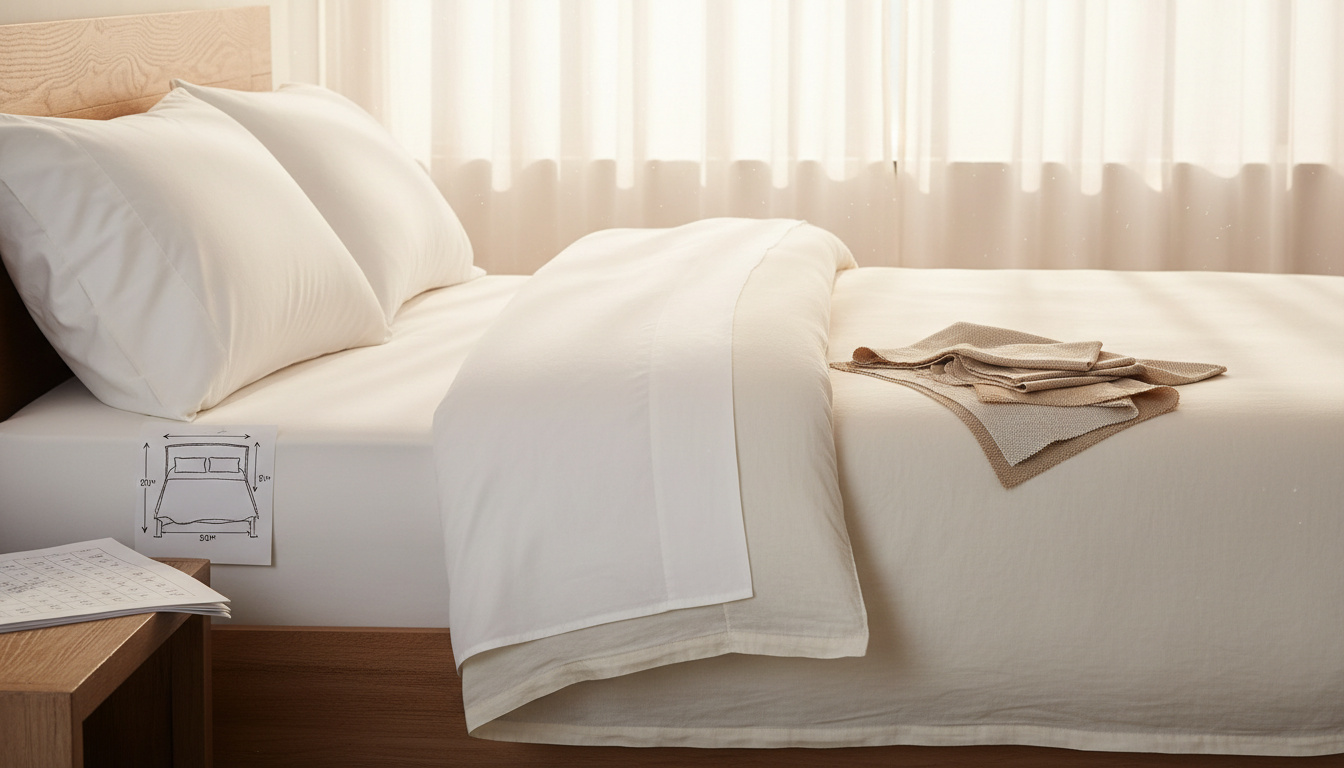

Queen bed sheets remain the most purchased bedding size in the United States, designed specifically for mattresses measuring 60 inches by 80 inches. Despite their popularity, consumers frequently encounter fitting issues due to varying pocket depths and inconsistent labeling across manufacturers. Understanding precise measurements and material specifications prevents the frustration of ill-fitting linens that ride up corners or pop off during the night.
The standard queen sheet set includes three components: a flat sheet, a fitted sheet with elasticized corners, and two pillowcases. However, the bedding industry complicates shopping with terms like “deep pocket” and “extra deep,” which lack universal definitions. According to the Sleep Foundation, selecting appropriate sheets requires measuring both the mattress surface and its vertical depth to ensure compatibility.
Material composition significantly impacts sleep quality, with options ranging from crisp cotton percale to moisture-wicking bamboo fibers. Testing organizations evaluate these fabrics for durability, breathability, and post-wash shrinkage—factors that determine whether sheets maintain their fit after repeated laundering.
What Size Are Queen Bed Sheets?
Standard queen mattresses measure exactly 60 inches wide by 80 inches long, requiring fitted sheets with corresponding dimensions. Flat sheets typically extend 90 to 102 inches in width and 102 to 120 inches in length to allow adequate drape and tucking. Pillowcases in standard queen sets accommodate pillows measuring 20 by 30 inches, though variations exist for specialty or king-sized pillows.
60 x 80 inches
14-16 inches standard; 16-20 inches deep
90-102 x 102-120 inches
$50-$300 depending on material
Key measurements to verify before purchasing:
- Mattress surface always measures 60 x 80 inches for US standard queen
- Fitted sheet pockets must exceed actual mattress depth by 2-3 inches to account for shrinkage
- Standard pockets (14-16 inches) fit mattresses up to 14 inches tall
- Deep pocket sheets (16-20 inches) accommodate toppers or tall mattresses
- Flat sheet overhang varies by brand; verify measurements if using thick mattresses
- Set components include one flat, one fitted, and two standard pillowcases
| Component | Dimensions | Notes |
|---|---|---|
| Fitted Sheet | 60 x 80 inches | Must match mattress footprint exactly |
| Standard Pocket | 14-16 inches deep | Fits mattresses 10-14 inches tall |
| Deep Pocket | 16-20 inches deep | Required for mattresses 14+ inches or with toppers |
| Flat Sheet | 90-102 x 102-120 inches | Provides 15+ inches of overhang per side |
| Pillowcases | 20 x 30 inches | Standard queen size; king cases available separately |
| Mattress Topper Addition | Add 2-4 inches to depth | Calculate total height including pads |
Good Housekeeping testing indicates that deep-pocket fitted sheets with thick elastic bands prevent slipping on taller mattresses, while standard pockets accommodate traditional 10-14 inch profiles adequately.
What Are the Best Materials for Queen Bed Sheets?
Material selection determines thermal regulation, texture, and longevity. Cotton percale offers crisp breathability ideal for warm climates, while sateen weaves provide a silky drape preferred during cooler months. Bamboo-derived viscose and TENCEL fibers excel at moisture management, making them suitable for humid environments or sleepers prone to night sweats.
Cotton Percale and Sateen Weaves
Cotton percale features a one-over-one weave structure creating a lightweight, matte finish that promotes airflow. Percale sheets with thread counts between 200 and 300 optimize breathability for hot sleepers. Conversely, sateen weaves float yarns over multiple warp threads, producing a lustrous surface with a heavier hand feel that insulates effectively in winter without trapping excessive heat.
Bamboo, TENCEL, and Viscose Alternatives
Cellulose-based fibers derived from bamboo or eucalyptus trees create fabrics that wick moisture away from skin more efficiently than traditional cotton. Testing found 400 thread count bamboo-viscose sateen delivers durable softness while maintaining structural integrity through repeated wash cycles. These materials typically resist pilling better than lower-grade cotton but command premium pricing between $80 and $200 for queen sets.
Microfiber and Synthetic Options
Brushed microfiber polyester offers wrinkle resistance and affordability, with quality queen sets available for $30 to $50. However, synthetics trap heat more readily than natural fibers, potentially causing discomfort for sleepers with elevated body temperatures.
Understanding Thread Count Claims
Thread count indicates threads per square inch but does not solely determine quality. MyTrident research demonstrates that 144 thread count cotton provides adequate airflow for summer use, while 300 thread count balances durability and breathability across seasons. Counts exceeding 600 often indicate multi-ply yarns or inflated marketing figures that compromise ventilation, potentially trapping heat against the sleeper.
Independent testing reveals that 200 to 400 threads per square inch offers the best balance of breathability and durability for queen sheets. Counts below 200 may feel rough or wear quickly, while counts above 600 frequently utilize multi-ply yarns that reduce airflow and increase heat retention without improving comfort.
Hot sleepers and residents of humid regions should prioritize percale cotton, bamboo viscose, or TENCEL fibers. These materials facilitate moisture evaporation and maintain cooler surface temperatures throughout the night compared to sateen weaves or synthetic microfiber.
Consumer Reports recommends purchasing fitted sheets with pockets 2 to 3 inches deeper than your actual mattress measurement. Natural fibers, particularly cotton, contract significantly during initial wash cycles, potentially rendering standard-pocket sheets unusable on thicker mattresses within one year.
What Does a Queen Bed Sheet Set Include?
A complete queen sheet set contains four pieces: one flat sheet, one fitted sheet with elasticized corners, and two pillowcases measuring 20 by 30 inches. Some manufacturers include additional pillowcases or alternative sizing for specialty pillows, but the industry standard remains consistent across major retailers. Consumers seeking Best Savings Accounts Australia – Top Rates Compared may apply similar comparison principles when evaluating bedding value propositions, focusing on cost-per-use rather than initial expenditure.
Measuring for Proper Fit
Accurate measurement requires assessing both the sleeping surface and total mattress height including toppers or pads. Place a straight edge on the mattress crown and measure to the bottom edge, adding any memory foam pads, featherbeds, or mattress protectors to the base dimension. Testing indicates that failing to account for topper thickness represents the primary cause of fitted sheet failure on queen beds.
Price Categories and Value
Sleepopolis market analysis shows queen sheet sets range from $30 for basic microfiber to $300 for premium linen or high-thread-count Egyptian cotton. Mid-range options between $60 and $120 typically offer the best durability-to-comfort ratio, featuring quality cotton or bamboo blends with reinforced stitching. Budget shoppers should verify pocket depth specifications carefully, as inexpensive sets often utilize shallow pockets that accommodate only basic mattresses without toppers. For a deeper understanding of the situation, you can find Kainga Ora job cuts explained here. Kainga Ora job cuts explained
How to Care for Queen Bed Sheets?
Proper maintenance extends sheet lifespan and preserves dimensional stability critical for maintaining fit on 60 by 80 inch mattresses. Washing protocols vary by fiber content, with natural materials requiring gentler handling than synthetic alternatives.
Washing and Drying Protocols
Summer-weight sheets and natural fibers benefit from cold water washing and air drying to maintain crispness and prevent shrinkage. General laundering requires lukewarm water and avoidance of overloaded washers that strain elastic corners. Mechanical agitation and high heat contribute significantly to premature elastic failure and seam separation in queen fitted sheets.
Rotation and Replacement Strategy
Maintaining three complete sets per bed—one in use, one in laundering, and one in storage—provides adequate rotation to minimize wear. This practice proves particularly important for cotton sheets prone to shrinkage; having backup sets prevents emergency shopping when freshly laundered sheets no longer fit due to fiber contraction. Synthetic microfiber sets resist initial shrinkage better than cotton but may develop pilling or static issues over comparable timeframes.
How Have Queen Sheet Materials Evolved?
Bedding technology and material preferences have shifted significantly over the past three decades, responding to changing consumer priorities regarding sustainability, affordability, and thermal regulation.
- : Percale cotton dominated the market, with domestic manufacturing producing primarily 200-300 thread count options utilizing straightforward one-over-one weaves prioritized for durability over luxury.
- : Microfiber polyester gained widespread adoption as manufacturing reduced costs, enabling households to purchase multiple sheet sets for under $50, though breathability concerns emerged with climate-controlled bedroom environments.
- : Bamboo, eucalyptus-derived TENCEL, and organic cotton certifications expanded market share as environmental impact and chemical-free processing became primary purchasing factors, with specialized testing confirming these materials outperform traditional cotton in moisture management metrics.
What Facts Are Definitive About Queen Sheets?
Clear standards exist for queen bedding dimensions, though marketing terminology often creates confusion regarding performance claims and material benefits.
| Established Standards | Uncertain or Variable Claims |
|---|---|
| Queen mattresses measure exactly 60 x 80 inches (US standard) | “Best” material varies by individual sleep temperature and body chemistry |
| Standard sets include 1 flat sheet, 1 fitted sheet, and 2 pillowcases (20 x 30 inches) | Thread count above 400-600 often indicates marketing inflation rather than quality improvement |
| Standard fitted pockets measure 14-16 inches; deep pockets measure 16-20 inches | Exact shrinkage rates vary by cotton batch and weaving mill; no universal prediction possible |
| Cotton percale provides cooler sleep than sateen weaves | “Egyptian cotton” labeling lacks consistent verification standards; fraud common |
Why Does Queen Sheet Sizing Create Confusion?
International sizing variations contribute significantly to consumer difficulty. European and Australian “queen” dimensions differ slightly from US standards, causing fit issues when purchasing from international retailers. Additionally, the mattress industry has increased average profile heights from 10 inches to 14-16 inches over the past two decades, outpacing the textile industry’s standardization of “deep pocket” terminology.
Marketing language further complicates selection. Terms like “hotel quality” or “premium microfiber” carry no regulated definitions, while thread count manipulation—counting multi-ply yarns multiple times—renders numerical comparisons misleading. Honeydew Sleep and other specialty retailers have attempted to clarify standards through educational content, though industry-wide consistency remains elusive.
Regional weather patterns also influence perceptions of sheet performance. What constitutes adequate breathability in Tasmania’s temperate climate differs from requirements in tropical regions, though product packaging rarely addresses these geographic nuances. Current meteorological data indicates Tasmania Wind Warning – No Active Alerts Across State, suggesting stable conditions that place fewer demands on bedding thermal regulation than mainland extremes.
What Do Testing Labs Report About Queen Sheets?
Independent laboratory evaluation provides objective performance data beyond manufacturer claims. Recent testing cycles reveal significant quality variations among similarly priced options.
Thread count over 600 can trap heat and reduce airflow without providing proportional durability benefits.
— MyTrident Bedding Analysis, 2025 Seasonal Guide
We conducted 1,965 laundry loads representing 27,510 sleep nights to evaluate shrinkage and seam integrity across queen sizes.
— Good Housekeeping Institute, 2026 Sheet Testing Protocol
Synthetic sheets fit pre-wash but cotton shrinks significantly; buy pockets 2-3 inches deeper than your mattress.
— Consumer Reports Bedding Evaluation, 2026
Final Considerations for Queen Bed Sheets
Selecting appropriate queen sheets requires verifying that fitted dimensions match the 60 by 80 inch mattress standard while accommodating total height including toppers. Materials ranging from 200-400 thread count cotton percale to bamboo viscose serve different thermal needs, with natural fibers generally outperforming synthetics for hot sleepers despite higher maintenance requirements. Investing in deep-pocket designs prevents the common frustration of corner pop-off, particularly as natural fibers inevitably contract during the first year of laundering.
Frequently Asked Questions About Queen Bed Sheets
How often should I change queen bed sheets?
Replace sheets weekly for hygiene, or every two weeks if using mattress protectors. Rotate between three sets to extend individual lifespan and ensure availability during laundry cycles. Wash immediately after illness or excessive sweating.
Are deep pocket sheets necessary for all queen beds?
Deep pockets prove essential only for mattresses exceeding 14 inches in total height including toppers. Standard 14-16 inch pockets accommodate traditional mattresses adequately. Measure from crown to base including all pads before purchasing.
What is the difference between queen and full sheets?
Full (double) sheets fit 54 x 75 inch mattresses, while queen requires 60 x 80 inches. Using full sheets on a queen bed results in inadequate coverage and exposed corners. Always verify size labels before purchase.
Can I use king sheets on a queen bed?
King flat sheets (108 x 102 inches) function on queen beds with excessive overhang requiring additional tucking. King fitted sheets (76 x 80 inches) fit too loosely and wrinkle excessively, compromising sleep quality and aesthetics.
Do queen sheets fit adjustable beds?
Standard queen sheets accommodate adjustable bases if the mattress maintains 60 x 80 inch dimensions. Split queen configurations require specialized fitted sheets with dimensions of 30 x 80 inches per side. Verify base type before purchasing.
Why do my queen sheets keep slipping off?
Slippage indicates insufficient pocket depth for your mattress height or worn elastic. Upgrade to deep-pocket versions with thick elastic bands. Check that sheets specify “all-around elastic” rather than corner-only elastic for secure retention.
Related stories



Liam O'Brien covers Australian politics and public affairs for Coast Current.